China’s Unitree says “GPT moment” for robots remains years away
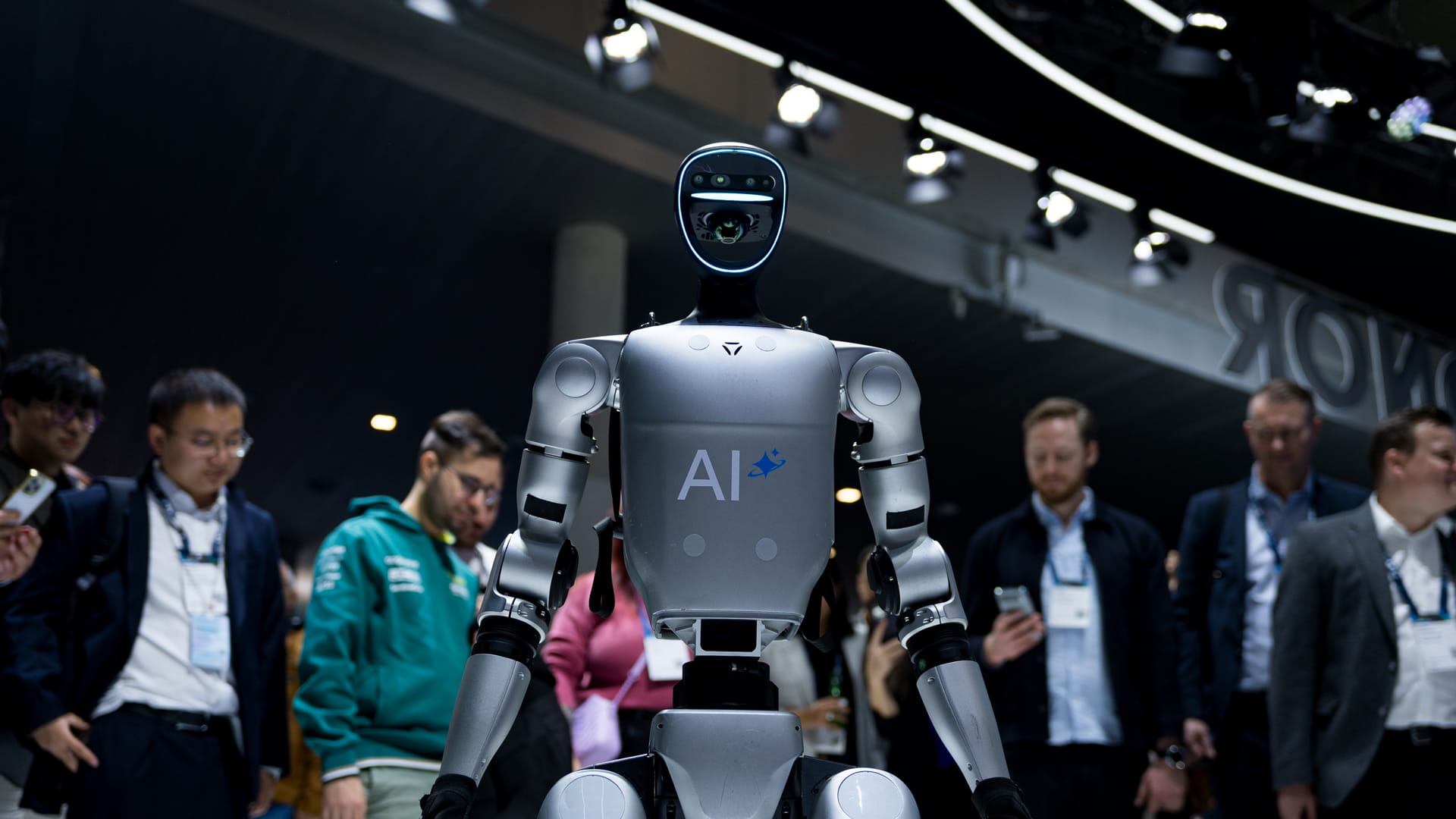
Robotics may still be two to five years away from a “GPT moment” comparable with ChatGPT’s breakthrough in generative artificial intelligence, a senior executive at one of the leading Chinese humanoid makers said on July 22. Irving Chen, director for the Asia Pacific and other areas at Unitree Robotics, said large language models (LLMs) had demonstrated their abilities in software but remained poorly connected to robots and machines that need to operate in the physical world. Chen’s comments.

Robotics may still be two to five years away from a “GPT moment” comparable with ChatGPT’s breakthrough in generative artificial intelligence, a senior executive at one of the leading Chinese humanoid makers said on July 22. Irving Chen, director for the Asia Pacific and.
Chen’s comments highlight the challenges facing the booming humanoid robotics industry. Robots are expected to bring autonomous physical AI into factories, but most remain confined to entertainment and demonstrations based on preset movements.
What Happened
The Hangzhou-based startup has become one of the most high-profile companies in the humanoid robotics space, with its viral synchronized dances and martial arts displays in China. Chen said the performances show that the hardware is becoming reliable and scalable, but has.
In the first nine months of last year, 74% of its humanoid robot revenue came from research and education, with just 9% from industrial customers.
Unitree expects proof-of-concept trials to dominate through next year, followed by commercial deployment by 2030.
Unitree, founded in 2016, is preparing for an IPO in Shanghai after receiving regulatory approval earlier this month.
Key Details
For Unitree, commercial demand remains concentrated in research and testing. Chen said wider adoption would require robots to perform longer and more complex tasks reliably in changing environments without pre-programming.
It plans to raise RMB 4.2 billion (USD 619.7 million), with 48% allocated to AI and embodied intelligence research.
A further RMB 1.1 billion (USD 162.3 million), or over 26%, would go toward newer hardware development, while RMB 624 million (USD 92.1 million), close to 15%, would be used for new factories with.
The company shipped 6,500 units last year.
Why It Matters
“Right now, most robotics projects are in the pilot stage,” he said. From then on, robots could begin assisting humans with a broader range of general labor tasks, Chen said.
Note: RMB figures are converted to USD at rates of RMB 6.78 = USD 1 based on estimates as of July 27, 2026, unless otherwise stated.
USD conversions are presented for ease of reference and may not fully match prevailing exchange rates.
What Reports Say
Coverage of the story so far points to:
Continued reporting by KrASIA as more details emerge
Share
What's Your Reaction?
 Like
0
Like
0
 Dislike
0
Dislike
0
 Love
0
Love
0
 Funny
0
Funny
0
 Angry
0
Angry
0
 Sad
0
Sad
0
 Wow
0
Wow
0