AI, automation, robot dogs ensure on-site nuclear safety
Editor's note: As protection of the planet's flora, fauna and resources becomes increasingly important, China Daily is publishing a series of stories to illustrate the country's commitment to safeguarding the natural world. Spend more than a few minutes in the workshop at the CGN Lufeng…

Editor's note: As protection of the planet's flora, fauna and resources becomes increasingly important, China Daily is publishing a series of stories to illustrate the country's commitment to safeguarding the natural world. Spend more than a few minutes in the workshop at the CGN.
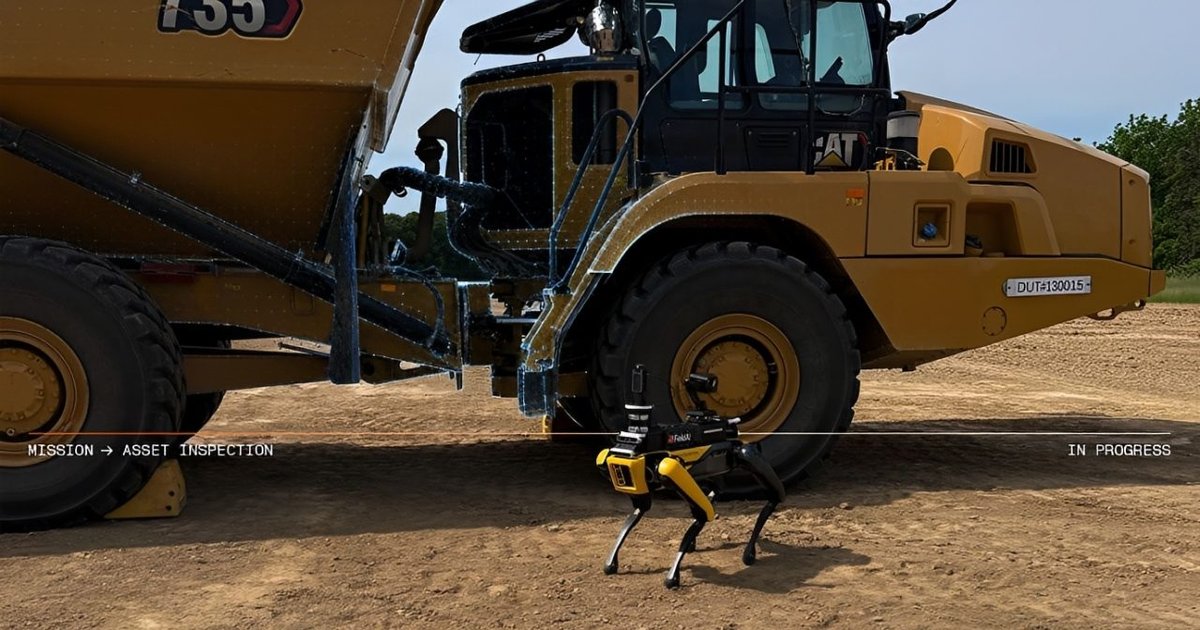
At first, it may look almost casual, moving across the concrete floor in an unhurried trot. But once a welding torch flares up, its sensors tell another story.
What Happened
The machine can move close to a hot-work scene, take photos and check whether the operation is being carried out properly — a quiet mechanical watchdog in the welding bay. Its patrol route can be planned according to the upcoming work schedule.
When all six units are in operation, they are expected to generate some 52 billion kilowatt-hours of electricity annually, and reduce carbon dioxide emissions by about 48.05 million metric tons a year, according to.
These units are scheduled to be put into operation by 2030.
Xu Kai, an engineer with the security and protection department at CGN Lufeng Nuclear Power Co, said the construction site has about 30,000 authorized workers and more than 2,000 work activities of different risk.
Key Details
Driven by 5G, it can inspect a workshop or a wider plant area on its own, using heat and optical sensing to identify hot-work activities. When its battery runs low, it returns to its charging station by itself.
In this application, the technology improved checking efficiency by 75 percent and reached 100 percent identification accuracy, while reducing the need for workers to climb for measurements.
Lei Yao, engineering deputy manager at China Nuclear Industry 23 Construction Co's Lufeng project, said the nuclear island involves about 200,000 weld joints, of which about 160,000 are small-pipe welds.
After the automatic welding technology was put into use, the total number of workshop workers fell to around 30 to 35, with only about four welders needed to operate the autogenous welding facility.
Why It Matters
The robot dog is one small part of a broader push at the Lufeng nuclear project to bring artificial intelligence, robotics and digital management tools into nuclear power construction. The technologies are being used not as display pieces, but to help make.
Lei said the workshop had some 60 workers when it started, including about 12 welders.
Compared with manual welding, the automatic process reduces dependence on highly experienced welders, improves stability and shortens welding time.
What Reports Say
Coverage of the story so far points to:
Continued reporting by China Daily as more details emerge