Ashes in India? How cricket's centre of gravity is shifting east
The West Indies, meanwhile, brought flair, intimidation and an enduring romance that captivated cricket lovers across continents. India, for all its unmatched passion, remained largely a participant rather than the game's principal power broker. Today, cricket's commercial success, broadcasting strategies, sponsorship ecosystem and, increasingly, its…
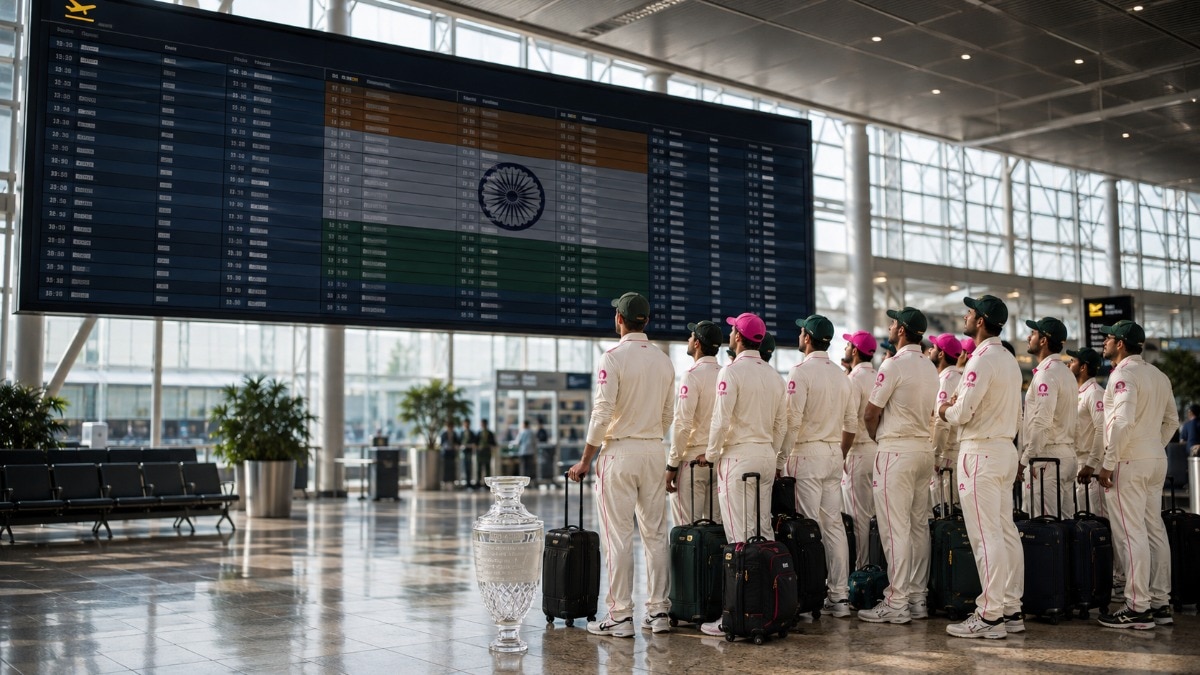
The West Indies, meanwhile, brought flair, intimidation and an enduring romance that captivated cricket lovers across continents. India, for all its unmatched passion, remained largely a participant rather than the game's principal power broker.
Today, cricket's commercial success, broadcasting strategies, sponsorship ecosystem and, increasingly, its international calendar revolve around one country. The sport has always followed its audience, but in the 21st century it has begun following India's audience more than anyone else's.
What Happened
No nation commands television ratings, digital engagement, sponsorship revenues or commercial leverage on the same scale. For broadcasters, advertisers and administrators, India is no longer simply cricket's biggest market—it has become the market that shapes the game's economic future.
The first is Cricket Australia's decision to stage the opening match of the 2026-27 Big Bash League (BBL) season in Chennai.
The 2023 ODI World Cup, hosted in India, became the most digitally watched ICC tournament in history, and the trend has continued with subsequent global events.
The IPL's media rights cycle for 2023-27 fetched nearly ₹48,390 crore, making it one of the richest broadcasting agreements in world sport on a per-match basis.
Key Details
Few recent developments illustrate this dramatic shift better than two proposals that would have seemed almost unthinkable only a decade ago. The second is the growing conversation around taking the 150th anniversary Ashes Test to India.
Cricket entered millions of homes that had previously lacked access, while advertisers quickly realised that no sporting property delivered consumers quite like Indian cricket.
Its foundations were laid during the economic reforms of the early 1990s, when liberalisation transformed India's consumer economy and satellite television revolutionised sports broadcasting.
India's rise to cricketing supremacy was not inevitable.
Why It Matters
The fact that they are even being discussed demonstrates how profoundly cricket's centre of gravity has shifted. For generations, cricket's most iconic events travelled outward from England and Australia.
India's bilateral media rights have also generated record-breaking valuations, underlining the premium attached to access to Indian audiences.
Those numbers explain why broadcasters continue investing extraordinary sums into Indian cricket.
What Reports Say
Coverage of the story so far points to:
Continued reporting by India Today as more details emerge