Ganesh Chaturthi Food: Regional Recipes and Culinary Traditions Across India
Ganesha occupies a distinctive place in Hindu religious life as Vighnaharta, the remover of obstacles, and as a deity associated with wisdom, prosperity and auspicious beginnings. Ganesh Chaturthi marks his birth and has long been observed through household worship, fasting, offerings and community celebration. In…
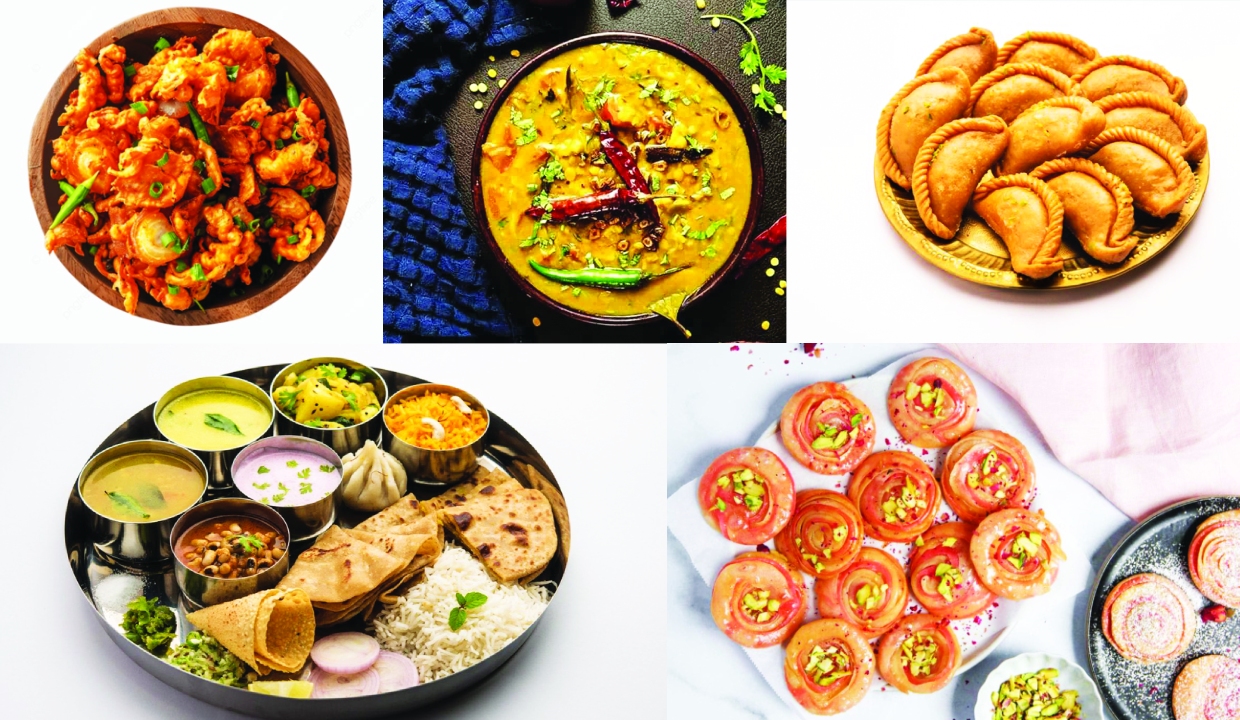
Ganesha occupies a distinctive place in Hindu religious life as Vighnaharta, the remover of obstacles, and as a deity associated with wisdom, prosperity and auspicious beginnings. Ganesh Chaturthi marks his birth and has long been observed through household worship, fasting, offerings and community celebration.
In Maharashtra, where the festival acquired extraordinary public prominence, Lokmanya Bal Gangadhar Tilak helped transform Ganeshotsav into a large community celebration in 1893, using collective worship as a space for social and cultural unity. Today, the festival remains equally important within the home and.
What Happened
Families install Ganesha for different lengths of time, neighbourhood mandaps draw thousands of visitors, and daily naivedya is prepared for worship before being shared with family and visitors. That idea of naivedya is essential to understanding the cuisine of Ganesh Chaturthi.
In doing so, Ganesh Chaturthi can continue to pass its culinary knowledge, family memories and cultural traditions from one generation to the next.
When Ganpati returns each year, keeping these traditions alive means ensuring that younger generations do not simply enjoy the festive meal, but learn how and why it is prepared.
Inviting younger members of the family into the kitchen, allowing them to shape imperfect modaks, grind coconut, fold leaves and listen to the stories attached to each preparation helps ensure that these practices continue.
Key Details
Food is not prepared only because guests will arrive or because a festival demands abundance. Many dishes are first cooked as an offering, placed before Ganesha and only later shared as prasad.
Cuisine has a particularly important place in this process because every recipe carries something of a region’s geography, season, ritual practice and family memory.
In this sense, India’s homes, kitchens and festivals can become an intergenerational classroom, where knowledge is passed naturally from one generation to the next through participation, observation and shared experience.
Younger generations should inherit not only the finished plate but the knowledge behind it.
Why It Matters
Ingredients, methods and even family habits may follow ritual preferences, with many homes preparing vegetarian food without onion or garlic. Ganesh Chaturthi arrives during the monsoon, and its cuisine draws on staples such as rice and coconut alongside seasonal gourds, leafy greens.
A family tradition survives when someone learns how the modak dough should feel under the palm, how tightly a turmeric leaf should be folded, how a grandmother balanced jaggery against tamarind, why a particular.
That is why preserving the cuisine of Ganesh Chaturthi requires more than remembering a list of recipes.
What Reports Say
Coverage of the story so far points to:
Continued reporting by Daily Pioneer as more details emerge

