India’s Growing Appetite for K-Food Calls for Localisation
Speaking to ACN Network on the sidelines of the K-Food Fair 2026, Kevin said the scale and format of this year’s event reflected the Korean food industry’s growing interest in the Indian market. Unlike the previous edition held in Mumbai, which was limited to a…
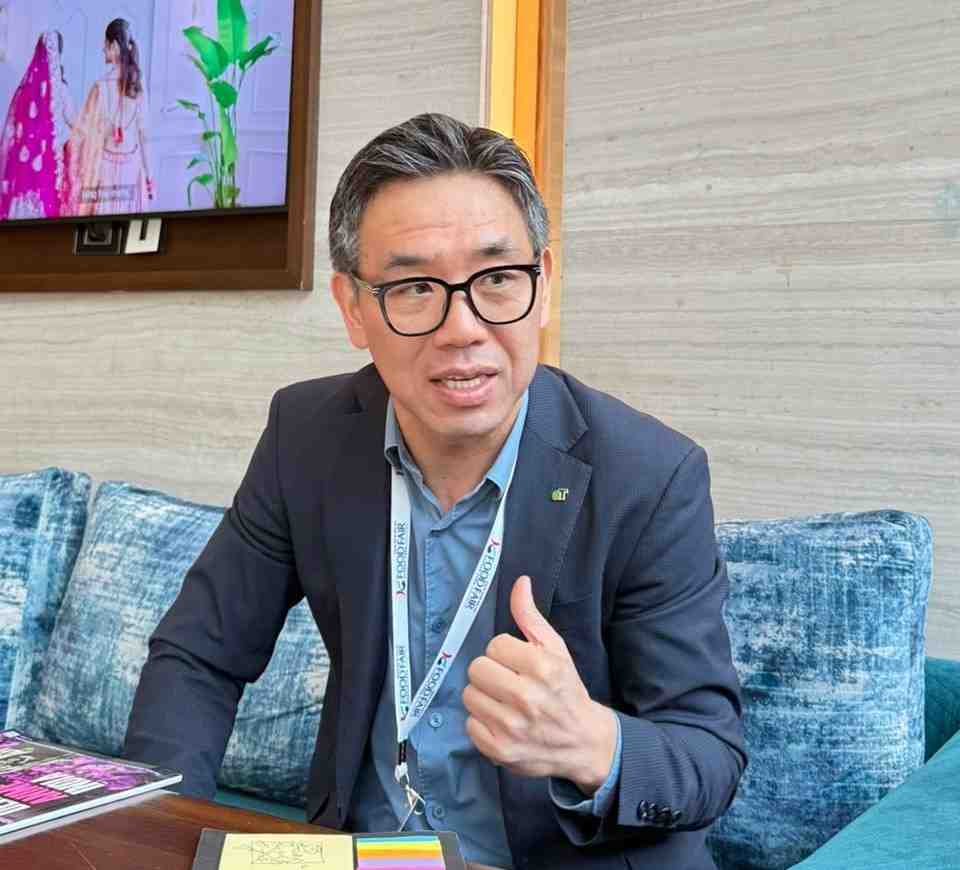
It comprised two days of B2B meetings in New Delhi, followed by two days of business-to-consumer activities in Gurugram. The number of participating Korean exporters also increased from around 20 last year to 30 this year.
Some companies returned after participating in the previous edition, while new exporters joined the platform to assess opportunities in India. He added that the consumer-facing segment had been introduced to take Korean food directly to local residents rather than limiting the fair to meetings.
What Happened
The purpose of the B2C programme is to introduce Korean food to Indian consumers as well. Fair doubles as a market-learning platform: Kevin said the K-Food Fair was not only a promotional event but also an important learning platform for Korean companies.
Speaking to ACN Network on the sidelines of the K-Food Fair 2026, Kevin said the scale and format of this year’s event reflected the Korean food industry’s growing interest in the Indian market.
Unlike the previous edition held in Mumbai, which was limited to a two-day business-to-business programme, the 2026 fair was expanded into a four-day initiative.
However, converting this awareness into regular food consumption will require suitable products, competitive pricing and wider availability.
Key Details
The interaction with Indian buyers and consumers enables exporters to understand which products, flavours, ingredients, and formats are likely to be accepted in the country. It also helps them recognise where product changes may be necessary.
Young Indians have developed considerable interest in Korean culture, entertainment and cuisine.
The objective, he added, should not be to remove the Korean identity of a product but to make it easier for Indian consumers to understand, prepare and enjoy.
This could involve combining Korean ingredients with Indian flavours, modifying spice levels, developing vegetarian alternatives and creating formats that suit Indian cooking and eating habits.
Why It Matters
For many participating companies, the fair offers an initial opportunity to test the Indian market before making larger investments in distribution, regulatory approvals or local partnerships. Regulatory and customs barriers remain a challenge: Despite the market’s potential, Kevin acknowledged that Korean food.
Localisation essential for mass-market reach: To make Korean food more accessible—especially to young people and mainstream households—Kevin stressed the need for localisation.
Since Indian consumers may not immediately accept its naturally bitter taste, ginseng can be blended with fruits or offered in more familiar flavour combinations.
What Reports Say
Coverage of the story so far points to:
Continued reporting by Asian Community News as more details emerge