What is ICMR-NIN's 'dual-axis' food classification
Foods such as samosas, jalebis and chaat are generally prepared outside industrial manufacturing systems but are high in fat, refined carbohydrates. Synopsis: Scientists at Hyderabad’s ICMR-National Institute of Nutrition (ICMR-NIN) have proposed a “dual-axis” framework to classify packaged foods based on both industrial processing and…
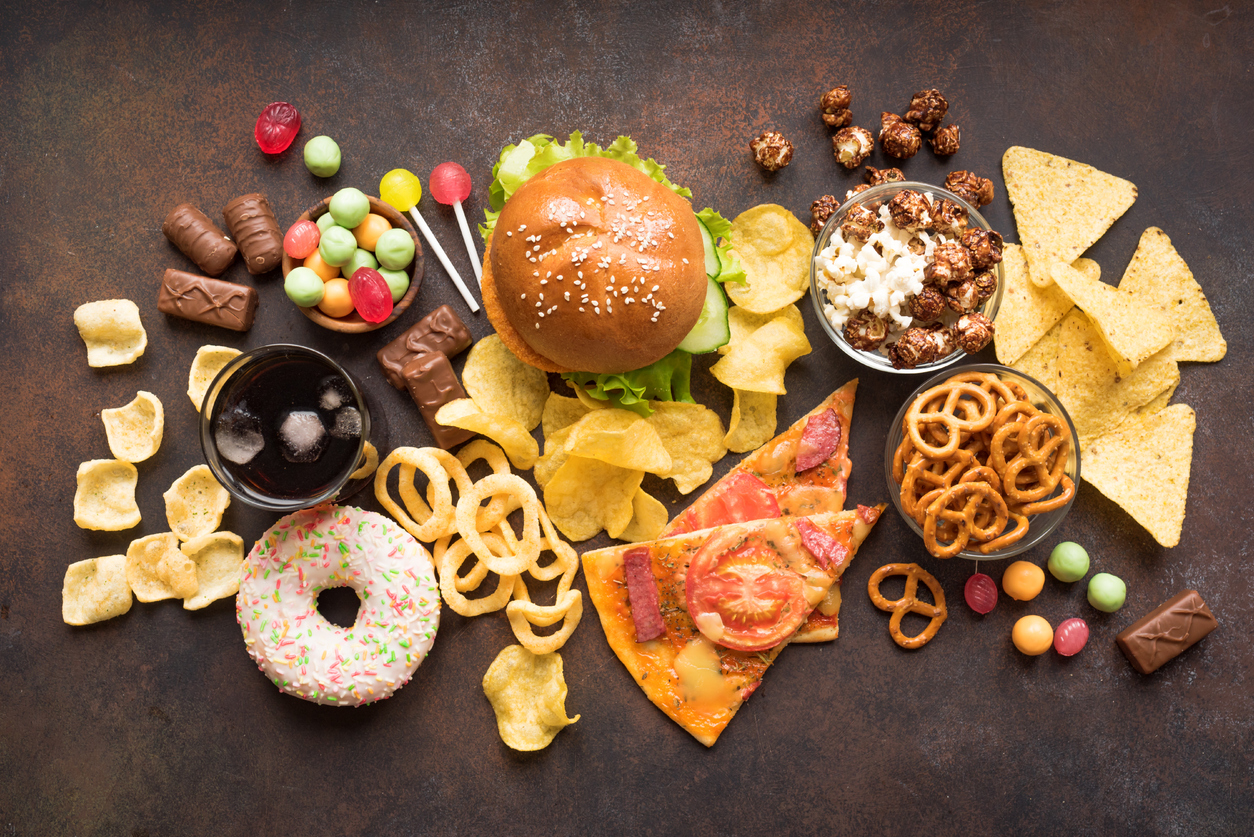
Foods such as samosas, jalebis and chaat are generally prepared outside industrial manufacturing systems but are high in fat, refined carbohydrates. Synopsis: Scientists at Hyderabad’s ICMR-National Institute of Nutrition (ICMR-NIN) have proposed a “dual-axis” framework to classify packaged foods based on both industrial processing.
Published in The Lancet Regional Health-Southeast Asia, the proposal aims to close regulatory loopholes, strengthen food labelling, and support obesity and non-communicable disease prevention in India. As India’s supermarket shelves fill with protein bars, sugar-free biscuits, flavoured yoghurts and zero-sugar beverages marketed as healthier.
What Happened
According to a commentary published in The Lancet Regional Health-Southeast Asia, the answer is no. The researchers argue that India’s food regulations rely too heavily on a single way of evaluating packaged foods, either by measuring how much fat, sugar and salt.
The Economic Survey 2025-26 similarly highlighted rising ultra-processed food consumption as a contributor to obesity and NCDs.
It builds upon the Dietary Guidelines for Indians 2024, which, according to the commentary, introduced a framework that combines food processing with nutrient considerations for the first time.
These include front-of-pack nutrition labelling, restrictions on marketing unhealthy foods, school nutrition standards and improved consumer awareness.
Key Details
Neither approach, they say, tells the complete story. Instead, they have proposed what they call a “dual-axis” food classification, a framework that evaluates foods simultaneously on two parameters: their degree of industrial processing and their nutrient composition.
The researchers believe the framework could eventually support a range of food policies.
Unlike international classification systems designed largely around Western food environments, the proposed framework attempts to account for India’s diverse eating habits.
Foods such as samosas, jalebis and chaat are generally prepared outside industrial manufacturing systems but remain high in fat, refined carbohydrates and calories.
Why It Matters
The approach, they argue, could provide the scientific foundation for stronger food labels, marketing restrictions and school nutrition policies as India battles rising obesity and diet-related non-communicable diseases (NCDs). India’s food system is unique, and so should be its regulatory framework.
Many of these products may meet nutrient thresholds after reformulation but still remain ultra-processed because of their ingredients and manufacturing processes.
The authors cite the rapidly expanding category of “health-positioned” packaged foods, including sugar-free biscuits, flavoured yoghurts, protein bars, plant-based milks and zero-sugar beverages.
What Reports Say
Coverage of the story so far points to:
Continued reporting by The South First as more details emerge