Why Mahasweta Devi still matters: 6 books to read on her 100th birth anniversary
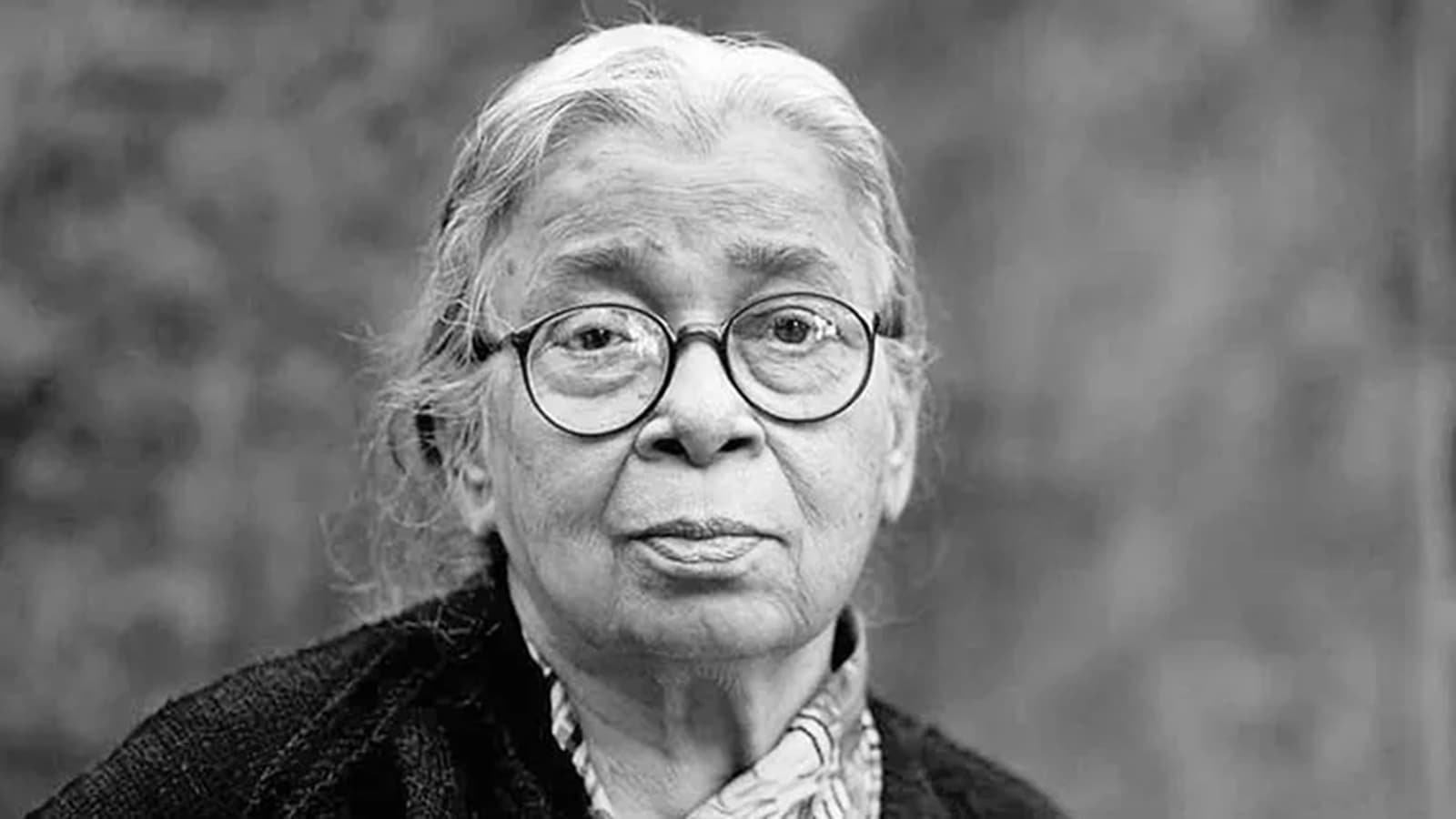

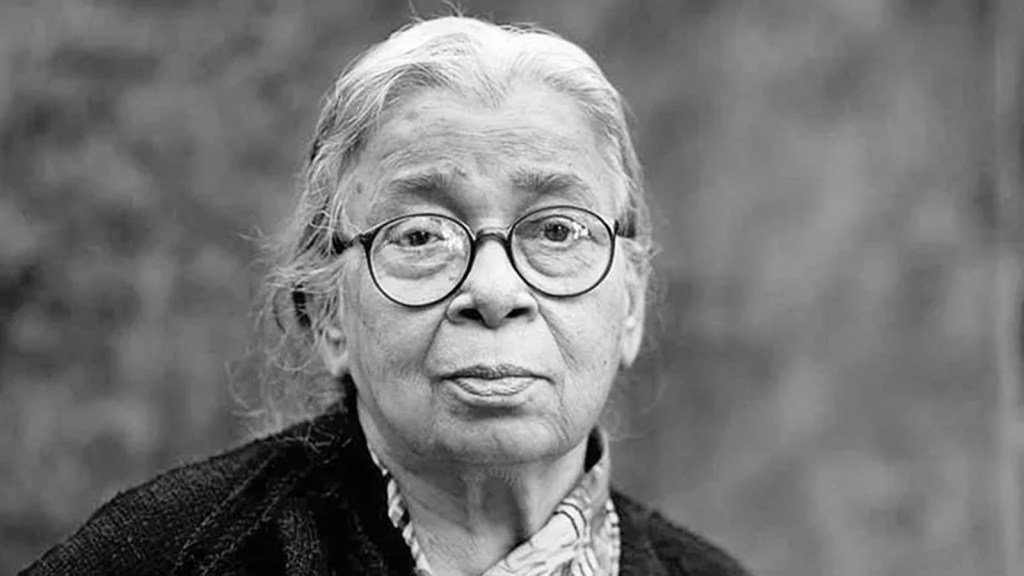
To read Mahasweta Devi is to confront a literature that never sought comfort or aesthetic neutrality. Born into privilege – exactly a century ago on January 14, 1946 – but unwilling to remain protected by it, she spent more than five decades writing against erasure of Adivasi histories, women’s bodies, and lives crushed between the state and capital.
Devi’s fiction resists the smoothness of official history. In an era when marginalised lives are routinely reduced to data or slogans, her work stands out for its courage to chronicle the unvarnished trials and tribulations of the dispossessed and marginalised whether it is a tribal woman, allegorically named Draupadi, who subverts the mythology by weaponising her violated body against her abusers during the Naxalite movement in India, or the plight of professional mourners.
At 100, Devi does not read like a writer of the past, but as a rebuke to literary complacency and historical amnesia. Here are six of her stories that one must read:
Often regarded as Devi’s most widely read novel, Hajar Churashir Maa approaches the Naxalite movement through the story of Sujata, a middle-class mother trying to understand her son’s political life after he is killed by the state and reduced to a police file number. The novel dismantles bourgeois complacency, exposing how privilege insulates itself from moral responsibility. As Sujata retraces her son’s choices, the book becomes a study of political, emotional, and even ethical awakening. The devastating novel demonstrates the author’s ability to turn private sorrow into a critique of social hypocrisy.
Based on extensive archival research and oral histories, Aranyer Adhikar fictionalises the life of Birsa Munda and the Adivasi uprising against British colonial rule. The novel documents how land alienation, missionary intrusion, and administrative violence dismantled indigenous ways of life. Mahasweta Devi refuses heroic simplification; instead, she shows rebellion as collective, fragile, and born of desperation. The forest here is not backdrop but political space—contested, sacred, and violated. The novel stands as one of the earliest Indian literary works to centre tribal resistance on its own terms rather than as an adjunct to nationalist history.
This novel expands Devi’s interrogation of nationhood by asking where tribal communities fit within it, if at all. Moving between rumour and documented history, the narrative follows Chotti Munda across generations of displacement and resistance. The “arrow” becomes a symbol of continuity, survival, and defiance in a world that seeks to museumise Adivasi culture while stripping it of land and agency. The book’ is fractured and resistant to closure, mirroring its politics.
In Rudaali, the author exposes the economics of grief. The novella centres on professional mourners hired to weep at the funerals of upper-caste landlords. What begins as a story about survival gradually becomes an indictment of feudal morality, where even death is commodified. Through sharp irony and controlled rage, Mahasweta shows how women at the bottom of the social hierarchy learn to weaponise performance as resistance.
One of Devi’s most unsettling stories, Stanadayini interrogates the sanctification of motherhood. Jashoda, a wet nurse who breastfeeds generations of a wealthy family, is celebrated while being systematically exploited. Her body becomes a resource until it is discarded, diseased and forgotten. The story dismantles romanticised notions of maternal sacrifice, revealing how patriarchy and class collude to drain women of autonomy. Sparse and merciless, Stanadayini exemplifies the author’s ability to compress an entire social critique into a single, unforgettable life.
Few short stories in modern Indian literature are as politically incendiary or enduring as Draupadi. Inspired by the Mahabharata but stripped of mythic consolation, the story follows Dopdi Mejhen, a tribal woman hunted by the state for her association with a left-wing insurgency. After she is captured, tortured, and gang-raped by security forces, Dopdi refuses the expected script of shame. Her final act, standing naked before her captors in deliberate defiance, reverses the gaze of power. The story remains a landmark feminist text. In Draupadi, the violated body is not a site of defeat, but of accusation.
Aishwarya Khosla is a senior editorial figure at The Indian Express, where she spearheads the digita... Read More