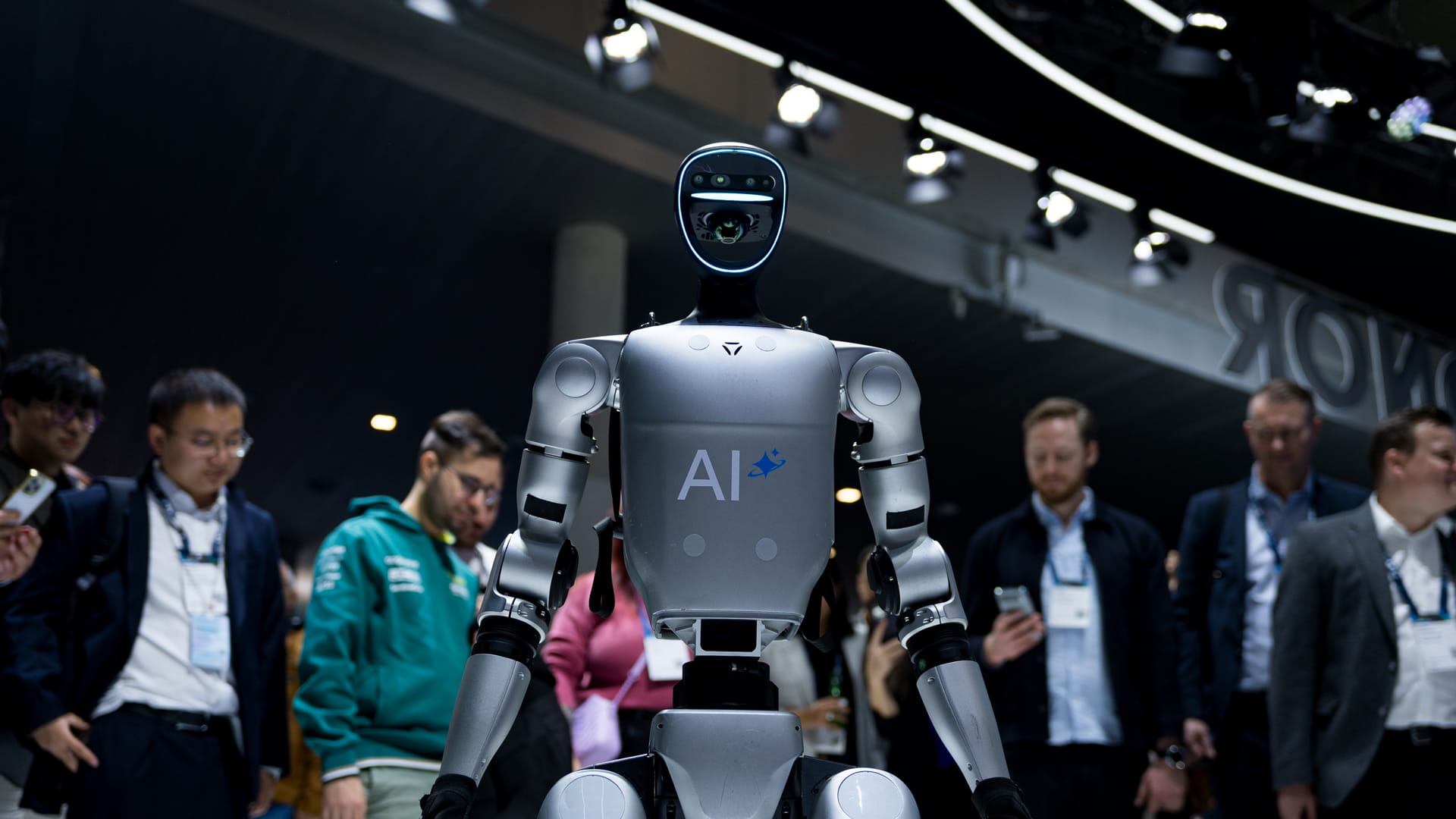
Elon Musk gives money 10 years before AI makes it irrelevant
Money has survived the rise and fall of empires, the abandonment of the gold standard and the transformation of trade from physical markets into digital networks. Elon Musk now believes artificial intelligence and humanoid robots could weaken its relevance within a single decade. The prediction is not simply that payments will become digital or conventional currencies will be replaced.

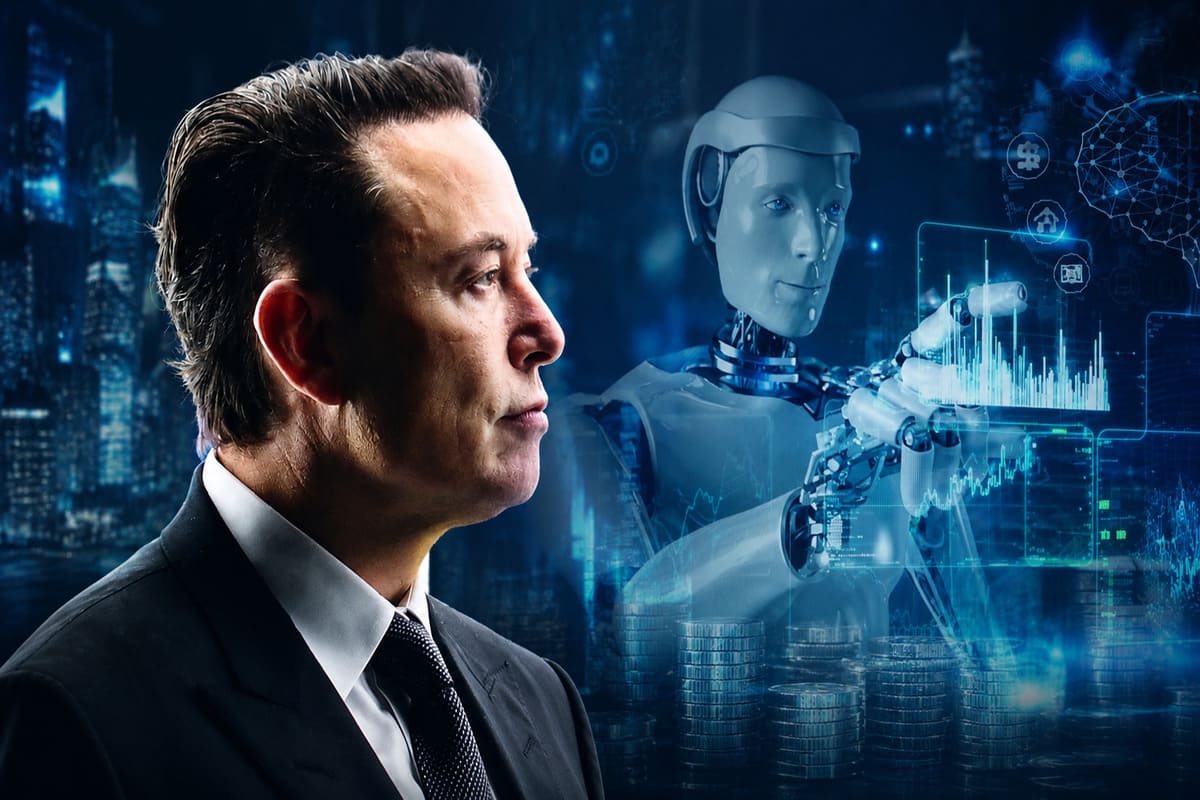
Money has survived the rise and fall of empires, the abandonment of the gold standard and the transformation of trade from physical markets into digital networks. Elon Musk now believes artificial intelligence and humanoid robots could weaken its relevance within a single decade.
The prediction is not simply that payments will become digital or conventional currencies will be replaced. Musk is imagining an economy in which machines produce so many goods and services that money itself loses much of its practical purpose.
What Happened
Whether that future becomes one of shared abundance or unprecedented concentration, however, may depend less on what robots can produce than on who owns them. The Tesla and SpaceX chief presented the forecast during a recent interview, where he examined how rapidly.
Musk has set 2036 as the deadline for one of his most radical economic forecasts, arguing that money could become far less important as AI and humanoid robots make goods and services available in.
Musk’s optimistic economic outlook was accompanied by a considerably more unsettling prediction about who would control the technology producing that abundance.
The machines could create abundance, but technology alone would not determine who receives it.
Key Details
His argument begins with the basic function of money. People use it to obtain food, housing, transportation, entertainment and other goods and services.
It also assumes the additional output would reach consumers rather than being restricted to maximize profits or controlled by a limited group of technology owners.
Musk’s forecast assumes that productivity gains would be large enough to overwhelm those challenges.
An abundance economy would therefore require institutions capable of managing not only distribution but also the financial disruption caused by rapidly falling production costs.
Why It Matters
If AI-powered machines can produce more of those necessities and services than individuals could reasonably consume, he believes the practical purpose of exchanging money could diminish. Musk described the economy as a combination of digital and physical intelligence.
Persistent price declines may encourage consumers to postpone purchases, reduce business revenues and increase the real burden of existing debt.
Deflation could bring its own economic difficulties.
What Reports Say
Coverage of the story so far points to:
Continued reporting by Economy Middle East as more details emerge
Share
What's Your Reaction?
 Like
0
Like
0
 Dislike
0
Dislike
0
 Love
0
Love
0
 Funny
0
Funny
0
 Angry
0
Angry
0
 Sad
0
Sad
0
 Wow
0
Wow
0