Credit Card Interest: When you pay it and when you don’t
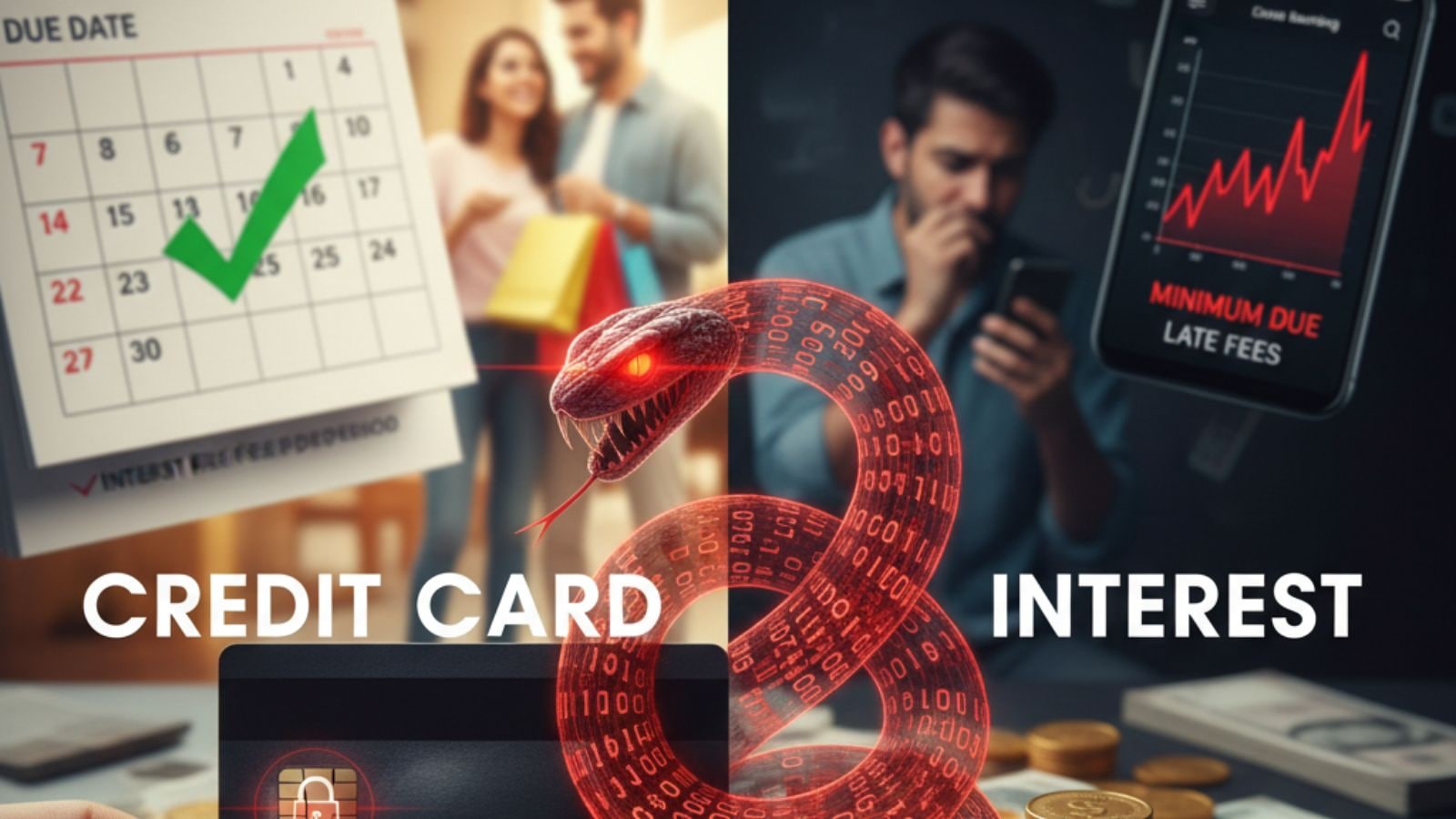
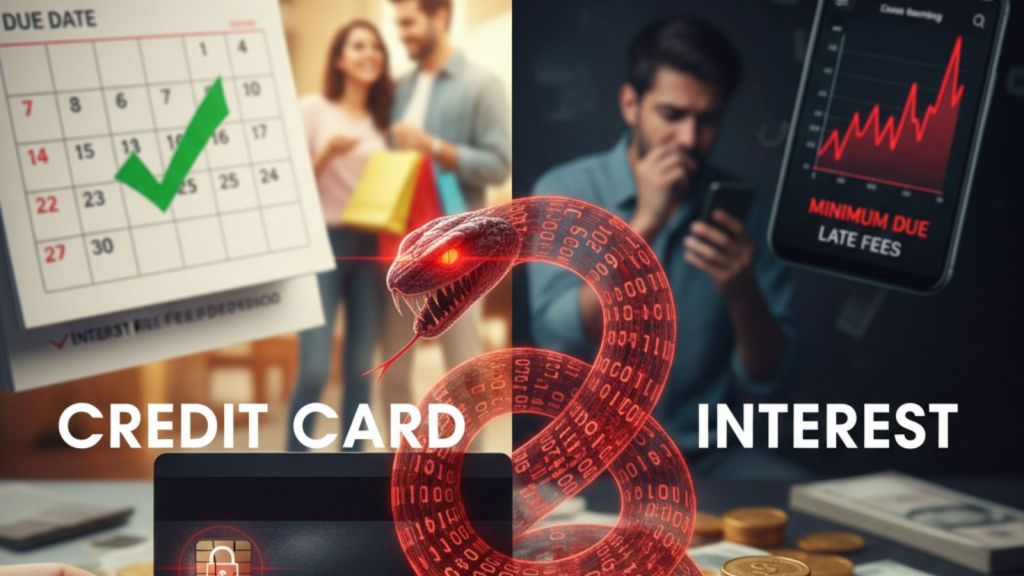
Credit cards are designed for convenience, but they are also among the costliest forms of borrowing if not used carefully. Many cardholders assume interest is charged only when a payment is missed. In reality, interest can apply in several situations, some of which may be less obvious, even to frequent users. Knowing when interest is charged, and when it isn’t, can help you prevent avoidable debt.
The most common trigger for interest is not paying the total outstanding amount by the due date. Credit cards offer an interest-free period, usually between 20 and 50 days, but this benefit applies only if the previous month’s bill has been cleared in full. If you are carrying a balance forward, interest is typically calculated from the transaction date.
Cash withdrawals, or cash advance, using a credit card attract interest, right from when the withdrawal is made. There is no grace period, and banks also levy a cash withdrawal fee, making this one of the most expensive uses of a credit card.
Making new purchases when old dues are unpaid
A lesser-known trigger is making new purchases while carrying an old balance. In such cases, the interest-free period doesn’t apply to fresh transactions, which begin accruing interest immediately.
Interest also applies when only the minimum amount due or a partial payment is made. The unpaid balance continues to accrue interest until it is fully repaid, which can add up to a significant amount over time.
If outstanding balance is not settled by the due date, interest is charged on it. Late payment fees may also apply. Repeated delays can not only add to your debt and affect your credit score, but in some cases, may even lead to changes in card terms.
Balance transfers often come with promotional interest-free offers. But such offers usually come with an expiry date. Once the promotion period ends, interest is charged on unpaid balance, usually at regular rates.
Interest is not charged when the full outstanding amount is paid by the due date. This preserves the interest-free period on purchases made during the billing cycle.
Refunds for reversed or cancelled transactions don’t attract interest, as long as they are adjusted within the billing cycle and no balance is carried forward.
Regular retail transactions also don’t attract interest during the grace period. However, this applies only if there is no unpaid balance from earlier months. To retain this benefit, clear your bill in full each month.
Interest is also not charged on transactions covered under valid promotional offers, such as zero-interest EMI schemes or introductory balance transfer offers. However, following the offer terms and timeline is key to enjoy the intended benefit.
Used correctly, credit cards offer flexibility without cost. But used carelessly, they can become an expensive form of credit. The key to avoiding the latter is in knowing when interest applies and acting before it does.