How Singapore is becoming key market for Indian art

The steady rise in prices may be the most visible marker of the growing global demand for Indian art, but it is far from the only one. Equally telling is the increasing presence of Indian artists across international museums, exhibitions and biennales as well as the expanding geographical ambitions of Indian galleries as they explore newer markets, including through the circuit of global art fairs.
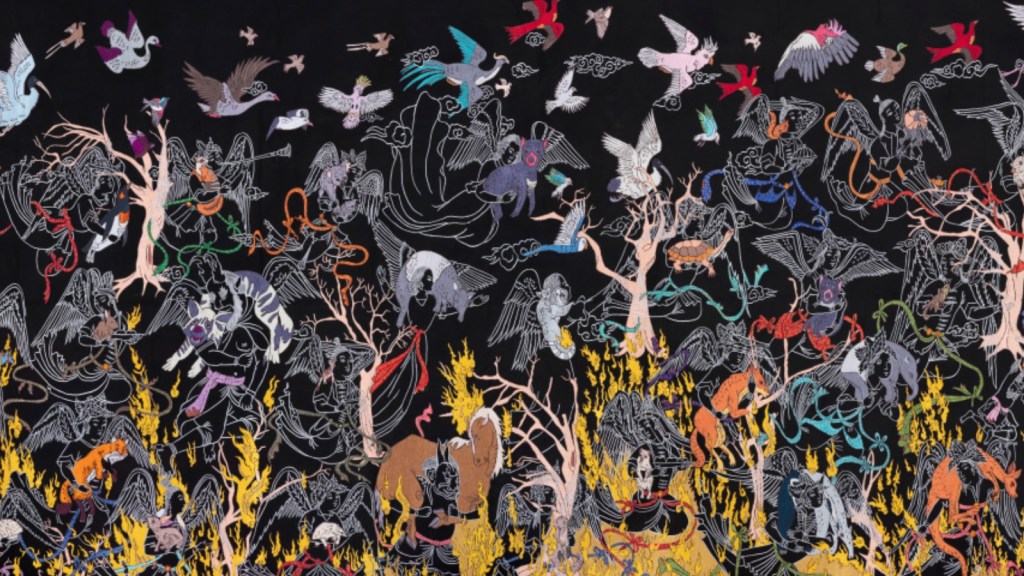
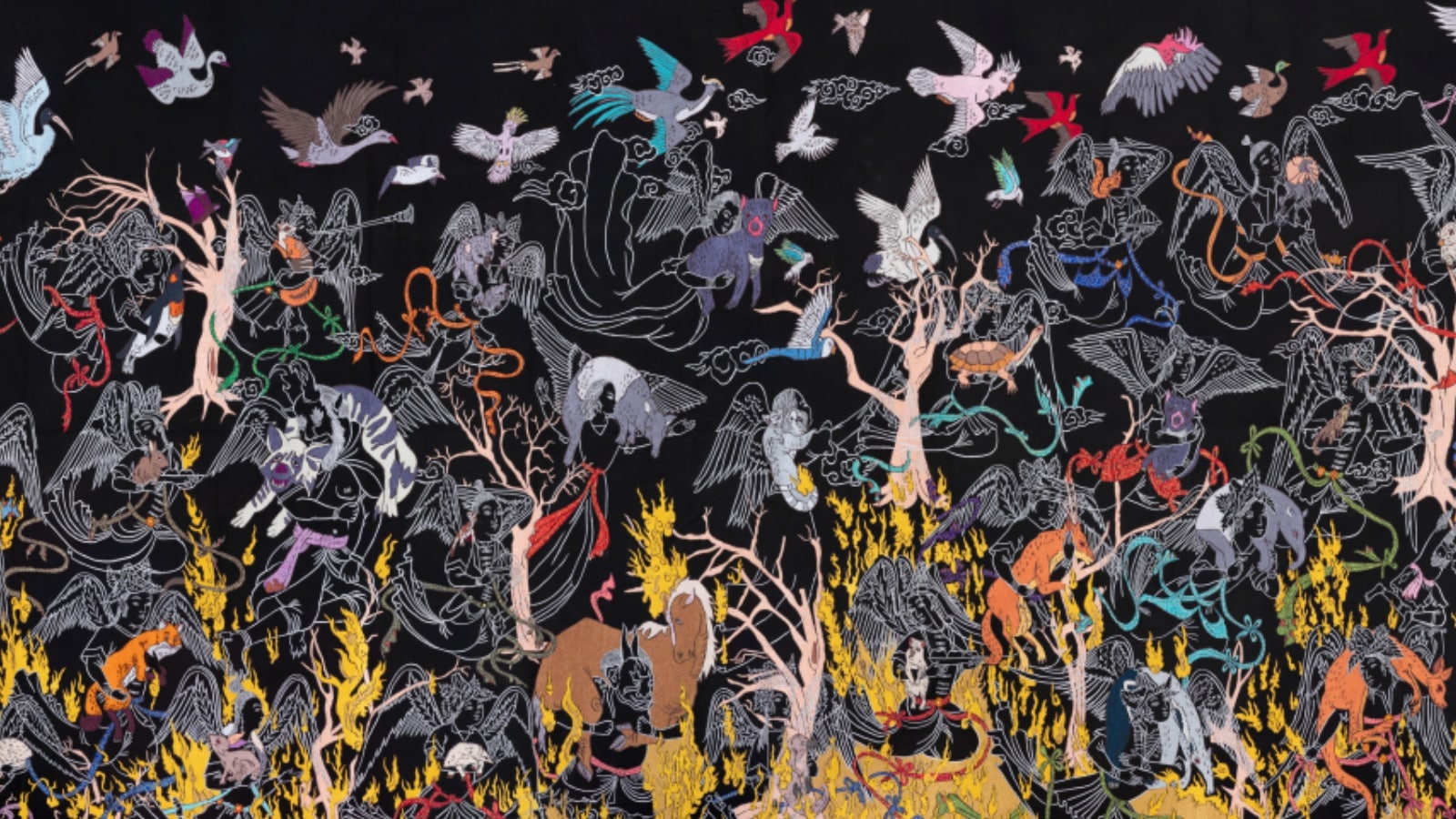
This year, that expanding footprint will be clearly visible at Art SG, where India is set to have its strongest showing yet. Taking place at Marina Bay Sands in Singapore from January 22 to 25, in its fourth edition the event will see a record 10 Indian galleries participating, spread across different sections of the fair, including ‘Focus’ and ‘South Asia Insights’. While Mumbai’s Sakshi Gallery will present works of artists Surendran Nair and Manjunath Kamath, Vadehra Art gallery will present works of Shrimanti Saha and Zaam Arif. Latitude 28 will contemplate South Asian narratives, particularly themes of migration and belief systems, situated within a broader contemporary discourse, through works by Firi Rahman and Yogesh Ramkrishna at the booth. The gallery will also be exhibiting a Khadim Ali tapestry at the Art SG VIP Lounge.
Participating at Art SG for the second consecutive year, Gallerie Nvya from Delhi will show select abstract works under the title ‘The Language of Form: Abstraction as Inquiry’ at the event. “At a fair like Art SG, where viewers encounter works from many geographies in a condensed format, abstraction operates as a universal visual language — allowing for immediate entry while still offering depth and contemplation. With ‘The Language of Form: Abstraction as Inquiry’, we wanted to position abstraction not as a stylistic category, but as a way of thinking. Indian abstraction carries deep philosophical, spiritual, and material lineages, and Singapore’s culturally diverse, intellectually engaged audience is particularly receptive to these quieter yet rigorous practices. The city provides an ideal environment to foreground abstraction as an active, contemporary strategy within a global conversation,” states Meher Kalra, director of Gallerie Nvya. She will be showing, among others, works of Jayasri Burman, Rajendra Dhawan, GR Iranna, Paresh Maity, Manu Parekh, Sohan Qadri and SH Raza.
Gallery Art Positive, on the other hand, will delve into the allure of black, white and grey in the showcase titled ‘Between Shadows and Light’ that will feature works of Debi Prasad, Harish Ojha and Santana Gohain.
There will also be solo presentations by Indian galleries. If Art Magnum will be presenting Tawatchai Somkong’s series ‘Soulscape’, Nature Morte will showcase works from Ayesha Singh’s ‘Evolution’ series. Gallery Ragini will be exhibiting artist Bappaditya Biswas’s works painted with natural dyes on handwoven fabric. “Drawing from the historic Chintz tradition — India’s hand-painted and printed cotton textiles once traded across continents — Biswas reimagines this craft as a contemporary language of belonging and loss. His reworked Chintz surfaces carry not colonial ornamentation but the quiet resilience of the forest, rendered through plant-based pigments and handspun khadi or mulmul. Each piece becomes a landscape where pattern and pigment evoke the living pulse of nature: the play of shadows, the hum of life beneath leaves, the fragile coexistence of humans and wild creatures. For Biswas, the act of painting with natural dye is an act of remembering — of returning to the soil, rivers and vegetation that once shaped his world. The slow, tactile process of making mirrors the rhythms of the forest itself,” reads a note on the exhibition.
Ashvita’s booth in the ‘Galleries’ section, meanwhile, will present works of contemporary Indian artists, including Jiten Thukral and Sumir Tagra, Raghava KK, C Krishnaswamy, G Gurunathan, Maanas Udayakumar and Jagath Ravi. A note reads, “Over the last two decades, contemporary art from India has moved beyond the frameworks of region or identity. Artists today engage with shared human experiences — technology, memory, urban life, intimacy, environment and play — using forms and ideas that connect effortlessly with audiences anywhere in the world. The artists represented here embody this shift: their works are not defined by geography but by imagination and thought… Through this presentation, Ashvita’s hopes to extend the dialogue of contemporary Indian art across Southeast Asia and the wider world. The booth becomes a meeting point between cultures, where the stories and forms of India find echoes in global sensibilities — affirming that contemporary art, wherever it is made, belongs to a single, interconnected world.”
Commenting specifically on the market for Indian art in Singapore, Kalra adds, “In the post-COVID years, there has been a visible shift in the Asian art market from Hong Kong to Singapore, with the city emerging as a key hub. Within this shift, Indian modern and contemporary art has gained increased attention.”
Having participated in the first edition of the fair, Bhavna Kakar, director of Latitude 28 adds, “Art SG remains an important platform for us, even as the market in Singapore continues to be unpredictable. This year, we are presenting three artists — Khadim Ali, alongside Yogesh Ramakrishna and Firi Rahman, both making their Art SG debut. While we fared well in the fair’s first edition, selling nearly 60 to 70 per cent of the booth on opening day with a museum placement for Sudipta Das, but each edition demands a fresh assessment. Our focus is on thoughtful placement, building long-term conversations and introducing new voices to collectors in the region rather than chasing short-term outcomes.”
Shuyin Yang, Fair Director, ART SG, added: “We are thrilled to welcome both returning and new galleries to ART SG, which continues to grow as a dynamic platform for Singaporean and Southeast Asian art. With the debut of the TVS Initiative for Indian and South Asian Contemporary Art and collaborations with Rockbund Art Museum and The Institutum, ART SG brings a wider array of regional voices to the forefront, fostering cross-regional dialogue and expanding the fair’s global reach.”
Vandana Kalra is an art critic and Deputy Associate Editor with Th... Read More