‘Human lives are important, so is environment’: Punjab and Haryana High Court sets up panel to examine felling of 251-tree felling plan for Mohali roundabouts
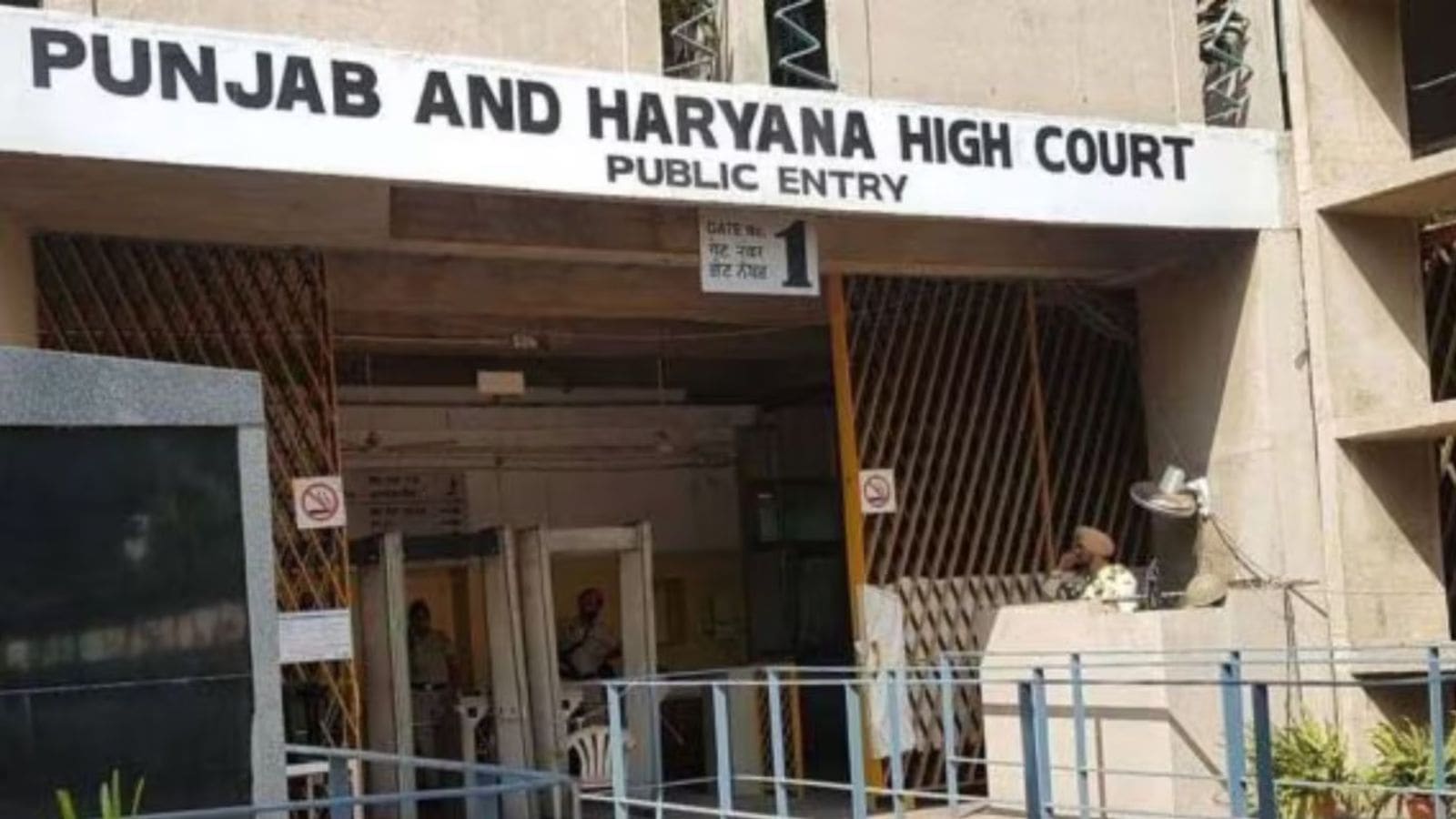

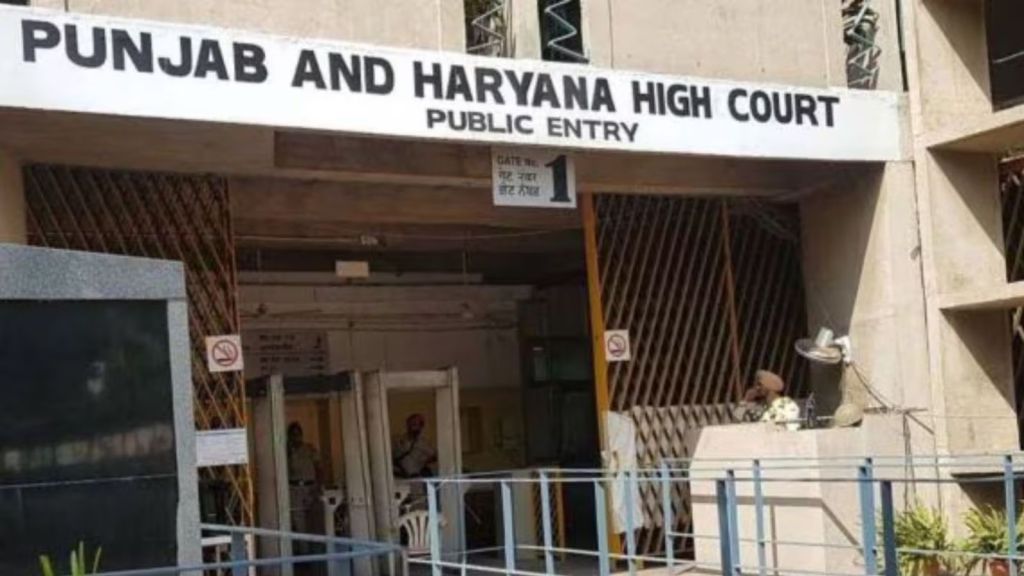
The Punjab and Haryana High Court on Friday set up a commission to study the trees proposed to be cut for the construction of roundabouts in Mohali, even as it declined to revoke its blanket ban on tree felling in Punjab despite repeated pleas by the state government.
A Division Bench of Chief Justice Sheel Nagu and Justice Sanjiv Berry was hearing an application filed by the Greater Mohali Area Development Authority (GMADA), which is seeking permission to cut 251 trees for building three roundabouts on the PR 7 Road at accident-prone junctions in SAS Nagar.
The commission will comprise nominees of the Punjab Advocate General, GMADA, the Forest Department, and counsel appearing in the matter. It has been directed to inspect the stretch within four days and submit a detailed report to the court next week.
GMADA submitted that the roundabouts were being planned to address severe traffic congestion and frequent fatal accidents on the stretch, which it described as an accident blackspot. Its counsel submitted that all statutory permissions had already been obtained and that compensatory afforestation, five times the number of trees felled, had been approved under the Punjab Tree Preservation Policy, 2024.
The bench, however, expressed concern over the cutting of mature and heritage species such as peepal, banyan, and neem, and questioned whether alternative alignments had been seriously explored. At one point, Chief Justice Nagu asked GMADA’s counsel, “Do you want your children and grandchildren to survive or not?” as he stressed the long-term consequences of indiscriminate tree felling.
The court noted that while human lives lost in road accidents were a serious concern, environmental degradation could not be treated lightly. “Human lives are important, but so is the environment,” the Chief Justice observed, adding that the court had to strike a balance between development and ecological preservation.
The court-appointed commission has been asked to submit maps and a bird’s-eye view showing the exact location of each tree proposed to be cut, clearly distinguishing between heritage and non-heritage trees, and to assess whether the cutting of such trees is unavoidable for traffic safety.
The court made it clear that the blanket ban imposed on December 24, 2025, would continue until the commission’s report is examined.
During the hearing, Punjab Advocate General M S Bedi repeatedly urged the court to relax the ban, citing cases where projects had received all legal approvals and arguing that development work was being paralysed. He submitted that Punjab is largely an agrarian state with limited forest cover and that the policy already provides safeguards through compensatory plantation and monitoring.
The Bench, however, said that the existence of permissions alone was not sufficient and that environmental impact, particularly the loss of old trees in urban areas, had to be independently assessed by the court.
The court also addressed concerns relating to farmers in the Kandi belt and other rural areas. It clarified that the blanket ban would not apply to agroforestry on private land, including poplar and eucalyptus plantations raised by farmers as part of their livelihood. The Bench noted that such trees have a short life cycle and are cut under established licensing and transit permit systems.
It further observed that decaying or dangerous trees posing an immediate threat to human life could be removed, but only after due certification by the competent authority.
The matter will now be taken up after the commission submits its report, with the court saying that any decision on permitting tree felling for the Mohali roundabouts will depend on site-specific findings rather than blanket assurances.
Manraj Grewal Sharma is a senior journalist and the Resident Editor Read More