Punjab and Haryana High Court reserves orders on Hind Samachar plea against govt action
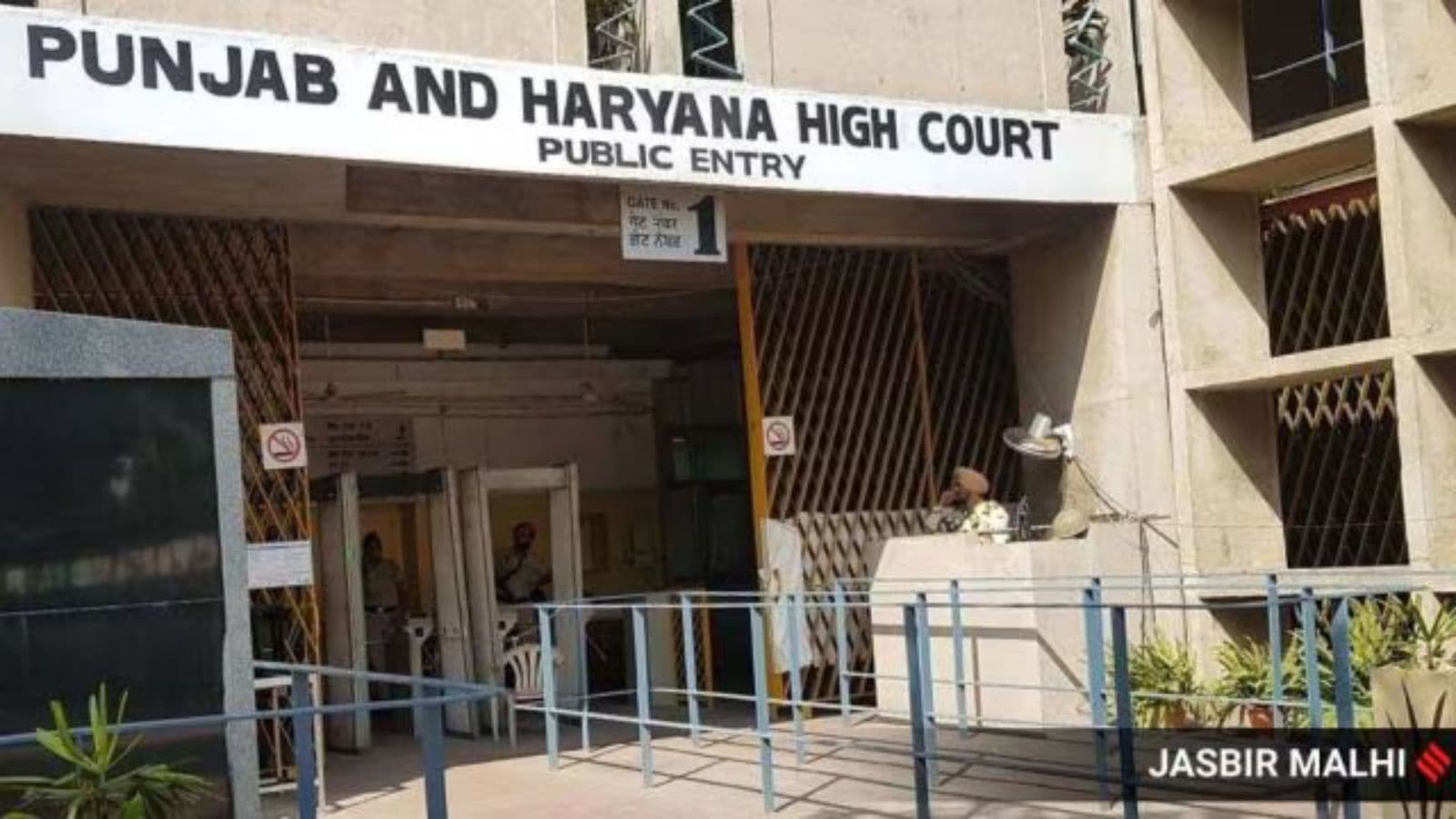

The Punjab and Haryana High Court Monday reserved orders on petitions filed by The Hind Samachar Group challenging the action by the Punjab Pollution Control Board, which disconnected electricity to its hotel in Jalandhar, after hearing detailed submissions alleging violation of statutory safeguards and counter-arguments by the state.
The matter was heard by a Division Bench comprising Chief Justice Sheel Nagu and Justice Sanjiv Berry.
Opening the arguments for the Group, Senior Advocate Chetan Mittal contended that the Punjab Pollution Control Board had acted in “undue haste” and in breach of the Water (Prevention and Control of Pollution) Act by directing immediate disconnection of electricity without issuing any show cause notice or granting an opportunity of hearing.
Mittal argued that while Section 33A of the Water Act empowers the board to issue directions, the Punjab rules mandate a minimum notice period and consideration of objections, except in cases of grave environmental injury. Even in such situations, he submitted, the law requires the competent authority to record reasons in writing, which was not done in the present case.
He told the court that the initial communication to the Punjab State Power Corporation Limited invoked only Section 33A and ordered immediate disconnection, and that a subsequent order invoking Section 32, which deals with emergency powers, was issued later to justify the action. The later order, he argued, merely reproduced statutory language without independent application of mind and was passed by an officer not competent under the board’s own delegation policy.
Mittal further submitted that the hotel was inspected, the order was passed, and electricity was disconnected within a span of two days, without waiting for laboratory analysis of effluent samples or considering explanations. He said more than 100 employees were affected and that any alleged deficiencies were curable and could have been rectified had a hearing been granted.
Placing the issue in a broader context, the petitioner submitted that The Hind Samachar Group has been publishing newspapers since 1949 and had suffered during the years of insurgency, losing the owner and his son to terrorism. He alleged that the regulatory action followed the publication of certain news reports critical of the government.
He claimed that in November 2025, attempts were made to stop the newspaper from being circulated, and its government advertisements were stopped. The present action on January 13, he alleged, was politically motivated.
Opposing the petitions, Punjab Advocate General M S Bedi submitted that the petitioner could not seek special treatment by invoking its status as a media house. “A press cannot use the excuse of journalism to commit environmental violations.”
Senior Advocate D S Patwalia, appearing for the Punjab Pollution Control Board, argued that serious violations were detected during inspection, including non-functioning sewage and effluent treatment plants and discharge of untreated wastewater. Patwalia submitted that the violations posed a real risk of environmental harm, justifying immediate action under Sections 32 and 33A of the Water Act.
Patwalia also raised a preliminary objection on maintainability, submitting that the petitions were not maintainable in view of the availability of an efficacious statutory remedy before the National Green Tribunal (NGT). He argued that directions issued under Section 33A are appealable before the NGT and that the high court should not be approached as a forum of first instance in environmental matters.
During the hearing, Chief Justice Nagu repeatedly asked the petitioners why they had not approached NGT. The bench observed that issues relating to environmental compliance, technical violations, and inspection findings fall squarely within the Tribunal’s jurisdiction.
Responding, the Group’s counsel, Mittal, argued that the petitions raised fundamental issues of jurisdiction, competence, and violation of natural justice, which justified the high court’s intervention.
Manraj Grewal Sharma is a senior journalist and the Resident Editor Read More