YouTube Expands Auto-Dubbing Globally with 27 Languages
YouTube’s auto-dubbing feature is now available worldwide with support for 27 languages, making global content more accessible. With expressive speech dubbing, preferred language settings, and upcoming lip-sync improvements, the platform is enhancing authenticity and user experience. Smart filtering ensures creators’ content is handled appropriately, while audiences enjoy seamless access to videos across languages.

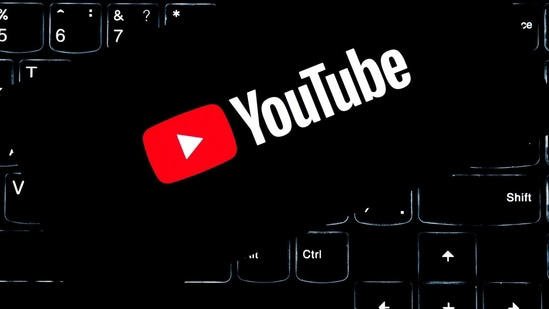
Language barriers on YouTube are shrinking fast. With the rollout of auto-dubbing for all users, the platform now supports dubbing in 27 languages, making global content more accessible than ever.
In December 2025 alone, nearly 6 million daily viewers watched at least 10 minutes of auto-dubbed videos, showing how quickly audiences are embracing the feature.
Expanded Language Support
-
Into English: Arabic, Bengali, Chinese, Traditional Chinese, Dutch, French, German, Hebrew, Hindi, Indonesian, Italian, Japanese, Korean, Malayalam, Polish, Portuguese, Punjabi, Romanian, Russian, Spanish, Swahili, Tamil, Telugu, Thai, Turkish, Ukrainian, Urdu, Vietnamese.
-
From English: Arabic, Bengali, Dutch, French, German, Hebrew, Hindi, Indonesian, Italian, Japanese, Korean, Malayalam, Polish, Portuguese, Punjabi, Russian, Spanish, Tamil, Telugu, Ukrainian.
Expressive Speech for Natural Delivery
YouTube has introduced expressive speech dubbing in eight languages — English, French, German, Hindi, Indonesian, Italian, Portuguese, and Spanish. This feature captures the tone, emotion, and energy of the original speaker, making dubbed content feel more authentic.
Preferred Language Settings
Recognizing that “one size doesn’t fit all,” YouTube now lets users set preferred languages. If a video’s original audio matches your preferences, it will play in that language instead of being auto-dubbed.
Lip-Sync and Smart Filtering
Since dubbed audio doesn’t always align with lip movements, YouTube is testing a lip-sync pilot to improve naturalness. Additionally, its smart filtering system ensures certain content — like music videos or silent vlogs — isn’t unnecessarily dubbed, protecting creator intent and discovery algorithms.
Why It Matters
By expanding auto-dubbing and adding expressive speech, YouTube is breaking down language barriers, boosting global reach for creators, and enhancing viewer experience. This evolution not only benefits audiences but also strengthens discovery opportunities across diverse markets.
Share
What's Your Reaction?
 Like
0
Like
0
 Dislike
0
Dislike
0
 Love
0
Love
0
 Funny
0
Funny
0
 Angry
0
Angry
0
 Sad
0
Sad
0
 Wow
0
Wow
0