April In Shenzhen—And Why You Should Be There Part 1
Toy & Hobby China is April 9-11 at the Shenzhen World Exhibition and Convention Center…


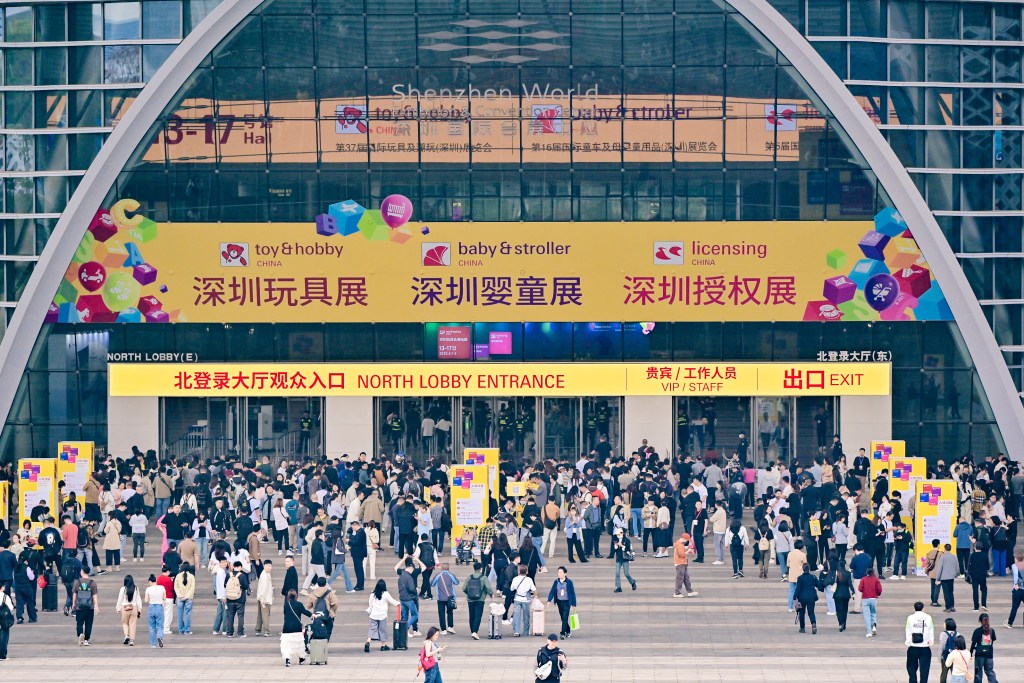
Toy & Hobby China is April 9-11 at the Shenzhen World Exhibition and Convention Center in Shenzhen. You should be there.
Over and above the fact that this is the largest toy show in Southern China, it’s a dynamic and exciting three days featuring a range of product that you won’t see at other shows, and many opportunities to license or acquire IP. China as the world’s manufacturing floor has been well-established for decades, and you don’t need me to talk about that, but there is one area that is being, if not overlooked, not fully appreciated by Western toymakers: Design
Thirty Years of Development
Over the past nearly three decades, I’ve watched as Chinese design has become more sophisticated. What has been established expertise in production has expanded exponentially to new design sensibility and capability all underpinned and empowered by production expertise.
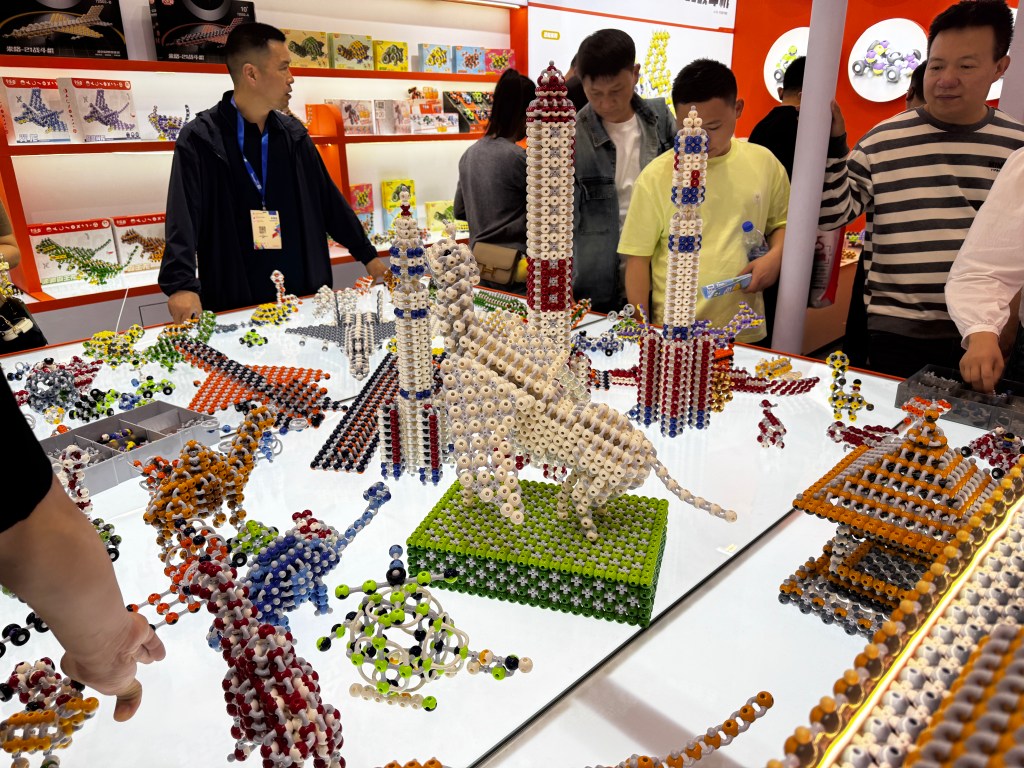
On one level, this shouldn’t surprise folks in the toy industry, the history of globalized manufacturing has shown since the late 1950s as U.S. companies began offshoring production has been that players who were merely making the toys used that experience to create their own products.
China, however, by virtue of its size has a clout no other country can match. At the same time, the inevitable generational shift and the broader cultural aspirations of kids and companies is having a transformational impact.
While much of the evolution in Chinese design is driven by the fashion industry, the toy business is not far behind. From form factors to color palettes, many of these companies are more than ready to play on the world stage, and conversations with many companies during the Hong Kong show indicated that they were beginning to find international distribution, including the U.S.
As to why there has been such a growth in the design sector, first and foremost, there is a new generation of designers who have been influenced by world trends. Thanks to the unhindered reach of social media, global influences are both faster and more accessible than at any time in the past.
Today’s young Chinese designers have been strongly influenced by the world stage. At the same time, the Guochao movement reflects growing national pride in China. It’s a trend that began around 2010 and has later found expression in such brands as Huawei and more recently BYD.
In toys, the rise of chao play or “trendy play” continues to drive design, and we’ve been impressed by the blending of styles in IP—Labubu with its combination of Nordic fairy tales and the popular “ugly cute” aesthetic is probably the best current example. These toys and others will be featured in the Trendy Toys & Collectibles zone, which debuted last year at the show and was busy throughout.
Walking the floor of the show is perhaps the most effective way to see the full range of innovation in a variety of categories, to build relationships, and to find unique products.

Licensing Has Matured in China
Don’t forget licensing. As Chinese companies have embraced licensing and global IPs, the products and quality continue to be more impressive every year. The License China exhibition, which runs concurrently with the toy show has become both a global and regional showcase for IP. While distribution may be regionally restricted, it’s nonetheless inspiring to see the interpretations of characters and stories.
Perhaps one of the best examples of this is Lotso Huggin’ Bear from Toy Story 3. The consummate “toy villain” voiced by Ned Beatty in the movie was reclaimed by consumers, notably in China. In the movie the fact that he was so cute but so mean was his dramatic popularity. The narrative shift was driven largely by Chinese consumers who felt that Lotso had been misunderstood or had a difficult childhood, which is why he was such a meanie. Consumers—not Disney—reclaimed him, and for a whole generation of kids who don’t know the original backstory, Lotso is an adorable, strawberry-scented teddy bear. We’ll talk more about how consumers are taking over brand narratives in another article—and with branding experts on The Playground Podcast.
AI Moves Center Stage

One of the most inspiring aspects of the show is the ways in which many companies apply technology to their toys. AI continues to be a buzz, and while it’s controversial and there are problems to be solved and guardrails to be refined before mass market applications are viable—not to mention affordable for consumers—we anticipate that there will be many products showcased that will show where this technology can go to enhance play.
There’s probably no turning back, as ResarchandMarkets.com projected at the end of 2025 that this category is going grow by about 14 percent in 2026.
Programs to Enhance Attendance
In a move to encourage buyers to come visit the show, the organizers—the Guangdong Toy Association, Guangzhou Li Tong Messe Frankfurt Co Ltd, and Messe Frankfurt (HK) Ltd.—have created programs to underwrite hotel costs in Shenzhen. Contact us at Global Toy News, and we will put you in touch with the appropriate people.
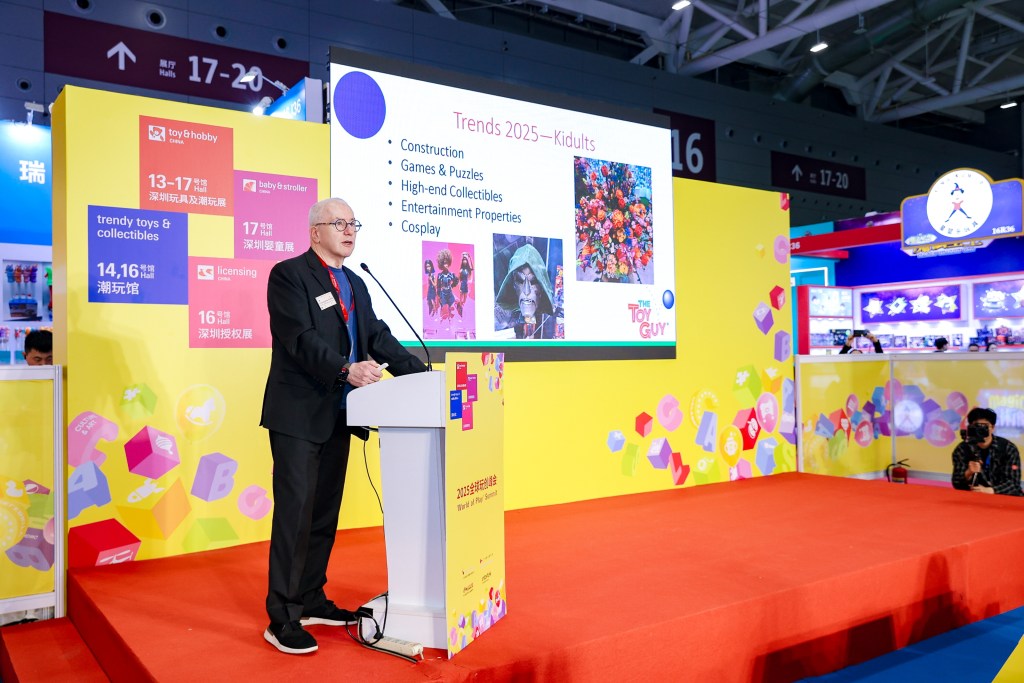
And stay tuned here for more information about specific areas of the show, and the Play Forum, which will bring together experts from around the world to share knowledge and inspire continued innovation.
(Except where indicated, all photos by Christopher Byrne)
Share
What's Your Reaction?
 Like
0
Like
0
 Dislike
0
Dislike
0
 Love
0
Love
0
 Funny
0
Funny
0
 Angry
0
Angry
0
 Sad
0
Sad
0
 Wow
0
Wow
0